Subscribe to the newsletter
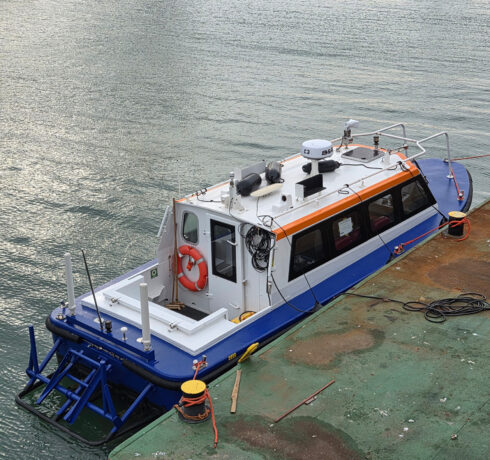
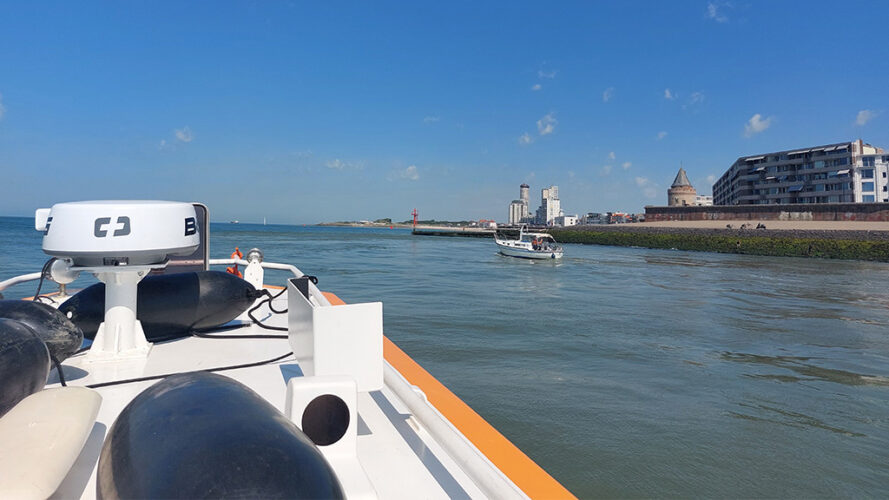
Sometimes an unforeseen challenge leads to a valuable opportunity. Earlier this year, this proved true for the vessel used by Fieldlab Autonomous Sailing Technology (F.A.S.T.), a project of Damen Naval. The 1990 Stan Patrol 900 has now been fully converted to electric propulsion and was launched in February 2026 for the next phase of the project to make the vessel capable of autonomous operations. However, problems with the propulsion system meant that the vessel had to be taken out of the water again shortly afterwards.
Text: Eefje Koppers
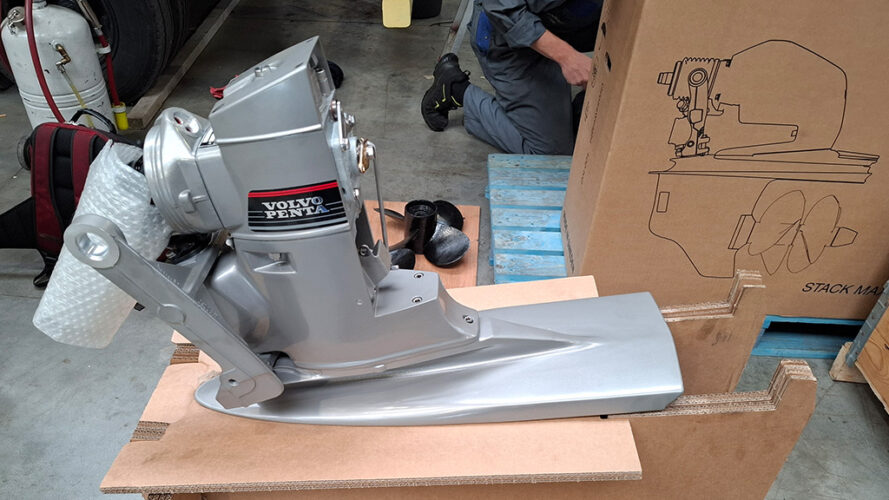
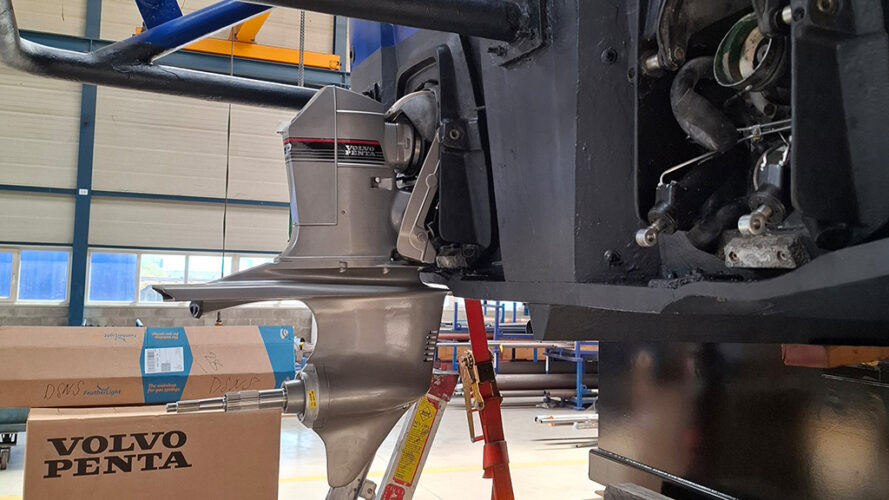
“Due to a defect, the ageing sterndrives really needed to be replaced, but they are not that easy to find,” explains F.A.S.T. Project Manager Pieter de Korte. “Fortunately, Volvo discovered two new sterndrives in a warehouse in Ghent. That was a real lucky shot, because otherwise we would have had to buy second-hand units, and then you never quite know what you’re getting. We were extremely fortunate to be able to purchase two brand-new and identical sterndrives.”
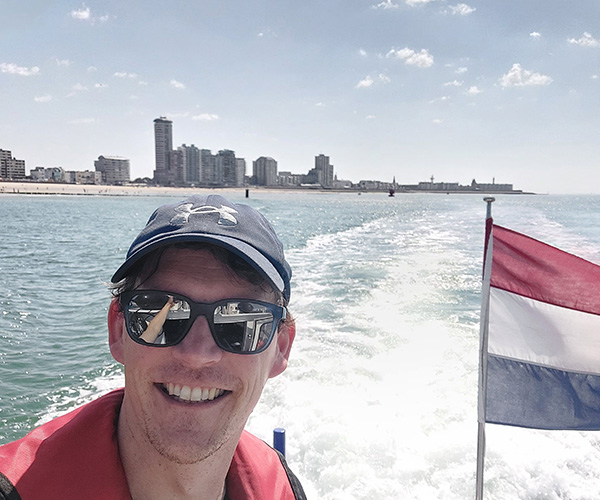 F.A.S.T. Project Manager Pieter de Korte.
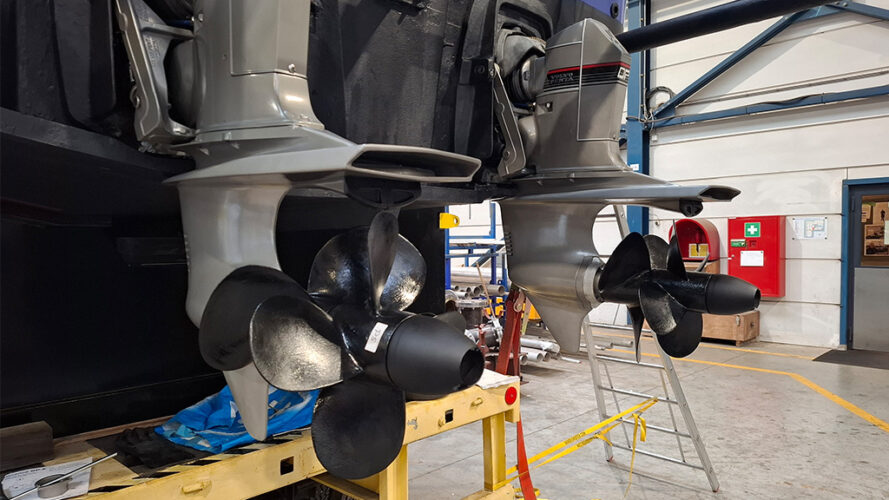
Following the installation of the new sterndrives, the F.A.S.T. vessel was relaunched for the next phase of the project: testing propeller performance. With the new electric motors, batteries, and all the other new equipment on board, the vessel has become approximately 1,000 kilograms heavier. Pieter explains: “As a result, we are sitting deeper in the water and the vessel’s handling characteristics have changed. The propellers had to be replaced anyway, and we are now assessing which type we want to use, whether we stick with the same size or opt for slightly larger ones.”
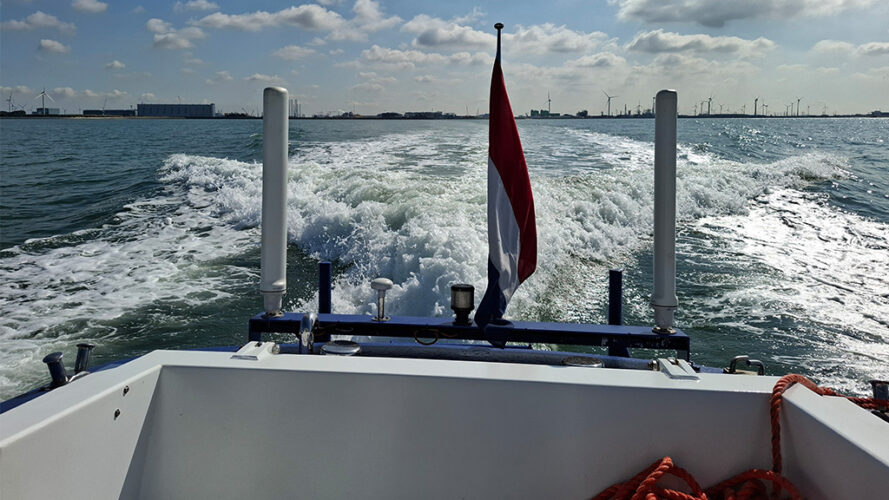
The F.A.S.T. team is also currently working on the remaining commissioning activities. During this summer’s heatwave, the cooling systems were thoroughly put to the test. “It was 35 degrees outside, and the seawater temperature was around 22 degrees. That was an ideal occasion to test the cooling system,” says Pieter. “The vessel is not insulated, and temperatures inside approached 40 degrees. In effect, it was a small-scale warm-weather trial, but everything performed very well.”
In addition, the coming months will be used to “build up the autonomy capabilities”, according to Pieter. This work will continue throughout the winter while the vessel is once again taken out of the water for maintenance and the installation of the new propellers. “Our goal is to be operational in Q1 next year, allowing other parties to come on board to conduct tests and enabling us to truly operate autonomously.”