
 Subscribe to the newsletter
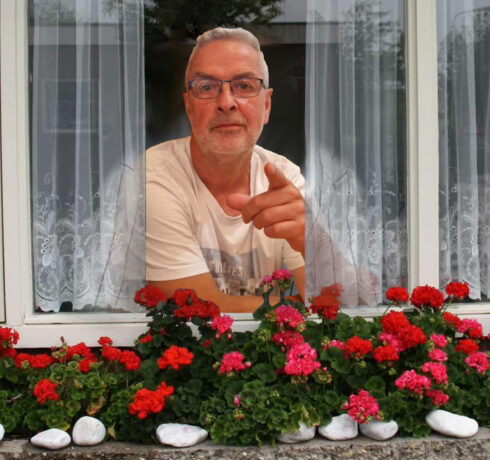
When Hans Walhout announced that he wanted to retire, a large planter filled with geraniums appeared on his desk. A chance to practice in advance. But after 48 years with the same employer, this Team Lead Manufacturing Engineering has more than earned his retirement. During his career, first at the Royal Schelde shipyard and later at Damen Naval, Hans kept a Word document listing all the ships and projects he worked on. It is 21 pages long and is packed with anecdotes, photos, and special details from an unforgettable career. It proved to be a rich information source for this interview.
Text: Eefje Koppers
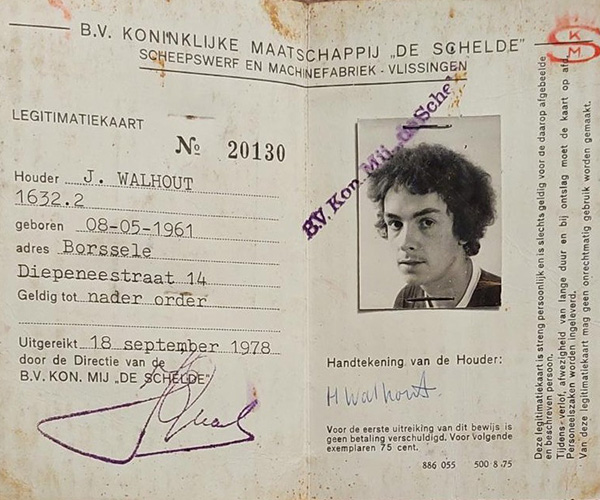 Hans Walhout's first employee ID card.
Both his career at the Schelde and the Word document begin on 21 August 1978, when he started at the shipyard’s trade school together with 59 other students. “I had finished lower secondary school, and studying was not really my strong suit, so my father, who worked at Pechiney, gave me a choice: the Schelde or Pechiney,” Hans recalls. He chose the Schelde, and the 17-year-old Hans enrolled to train as a structural metalworker. “I don’t really know why I chose that course, but it turned out to be a good decision. I still benefit from everything I learned because I often work on motorcycles and mopeds at home.”
The trade school operated with fairly strict rules: be on time, don’t take overly long coffee breaks, keep your workbench tidy, and clean your tools, Hans explains. “You had to address the instructors as ‘boss.’ Friday afternoons were always set aside for a thorough cleaning and sweeping. After two years at the Schelde trade school, you definitely knew how to sweep.”
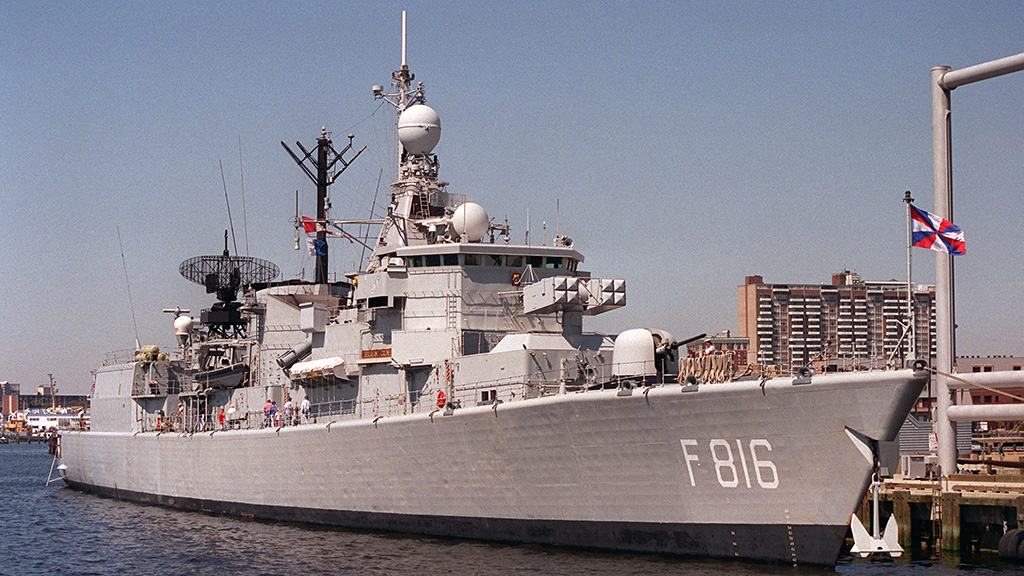 Hans was involved in the construction of HNLMS Abraham Crijnssen from the laying of the keel right through to the sea trials.
To complete the programme, the students took the BEMETEL exam, the industry-wide certification for the Dutch metal and electrical engineering sector. With the diploma in hand, they were guaranteed a job at the shipyard. The first year of employment was a rotation period in which they explored a different department every two months. Hans spent time in the machine shop, the Maintenance Department, the Scheldepoort workshop, and the Propulsion and Equipment Outfitting departments. “After the rotation period, you could choose, and I chose Propulsion Outfitting. Frans Schets was our supervisor, a calm man from whom I learned a great deal. That was also when I got my nickname, ‘bolletje wol’, which means little ball of wool, because of my curly hair.”
In the early 1980s, the Schelde was building the Kortenaer-class standard frigates. The Royal Netherlands Navy had ordered ten of them, but while they were still under construction, two frigates were sold to Greece (the Elli and Limnos). Two additional frigates were then ordered: the air-defence frigates HNLMS Jacob van Heemskerck and HNLMS Witte de With. For Hans, this marked the beginning of a valuable learning experience. “I worked on the construction of hull number 357, HNLMS Abraham Crijnssen, from keel laying through sea trials. The sea trials went from Den Helder to Torquay, Portland, Newcastle and Stavanger. On board we worked together with the crew and even stood watch, including the midnight-to-4.00 a.m. ‘dog watch.’ It was wonderful to experience, especially at such a young age. I was only 21.”
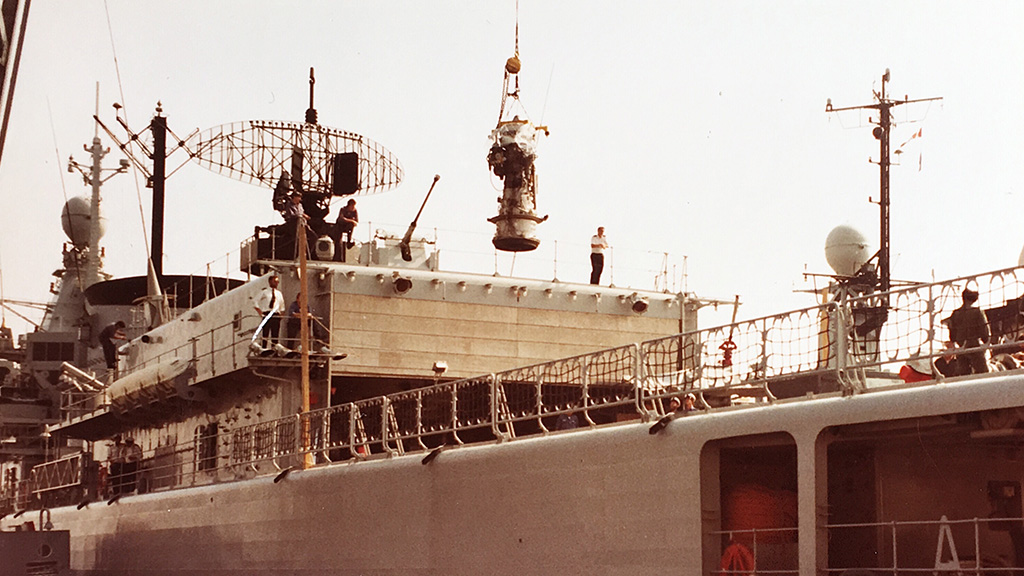 In Greece, the damaged turbine on HMS Abraham Crijnssen was replaced.
His experience aboard HNLMS Abraham Crijnssen proved valuable when the ship developed engine trouble during an exercise in the Mediterranean in October 1983. “The Schelde and the Navy decided to replace the damaged Tyne turbine on site. The ship had been designed so that this could be done quickly.” A small team of five, including Hans, was sent to Greece to carry out the repairs. “That was a challenge because the ship was moored stern-first against a quay. But the job was successful thanks to the cooperation of the crew and Rolls-Royce specialists. We started dismantling on Friday, and by Sunday the new turbine was already running tests.” He adds, “After that, the same group of us dismantled the diesel generators on the Limnos because of faulty solder joints in the rotor. Later, the rotors of all the S-frigates were removed and inspected.”
“In the early 1990s I worked in the Planning department. It was a busy, intensive period where we spent more time chasing materials than planning, but I still remember article numbers from that time by heart.” Hans Walhout
For Hans, the assignment in Greece was one of the highlights of his early career, together with the cold-weather trials of HNLMS Witte de With in 1986. The voyage took them to Norway and Iceland and even across the Arctic Circle. In the Royal Netherlands Navy there is a tradition that King Boreas comes aboard on such occasions. “Then the youngest person on board has to paint the forward hawsehole blue. As the youngest Schelde employee, I got to do it together with the youngest sailor. As a reward we received a small glass of jenever, although it also could have been seawater,” Hans laughs.
In May 1988, Hans was asked to assist for six months in the Work Preparation department, which at the time was still called the Business Office. As he puts it himself, “That six months stretched out a bit,” because he never left. The department ensured that all necessities were available for scheduled work. This meant preparing clear task descriptions with the required materials and tools for each activity and ensuring that the correct materials and parts were ordered and delivered on time so that Production could continue working.
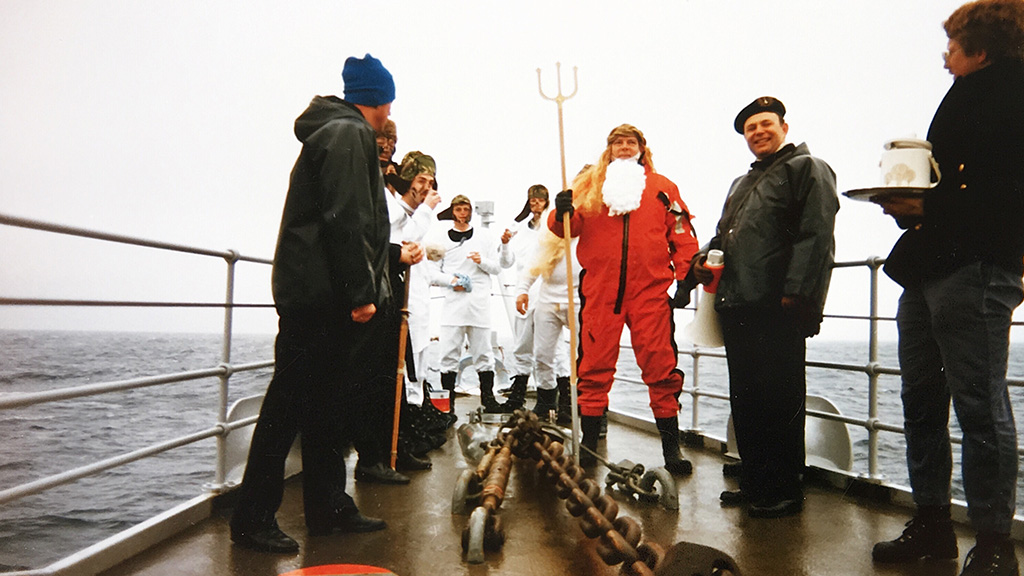 The King Boreas ceremony on board HNLMS Witte de With, with Hans third from the left.
While these days everything is fully digital, back then they still worked with job cards, bills of materials, shipping notices, internal orders and memos. These were sent in internal envelopes to the department responsible for the job. Hans explains: “You looked at which parts were needed for a particular task and made sure the various departments had the necessary fabricated components in stock. That way you completed the package for each job. Everything we did was aimed at keeping production moving. You don’t want Production to stop because something is missing or because people have look for materials.”
It was an excellent learning experience that quickly taught him a great deal about how the company was organised, especially the paperwork side of shipbuilding. “As a tradesman working on board, you simply don’t realise how much paperwork is involved in building a ship,” Hans recalls. “In the early 1990s I worked in the Planning department. A colleague retired, and I took over his work. It was a busy, intensive period where we spent more time chasing materials than planning, but I still remember article numbers from that time by heart.”
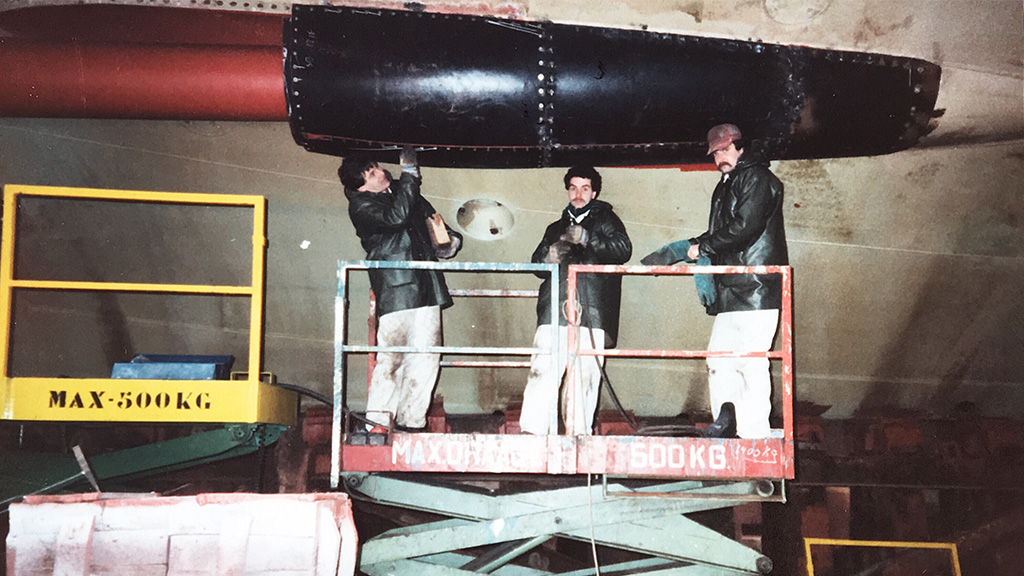 Hans (centre) whilst working on a propeller shaft.
Between 1990 and 2026, Hans worked on dozens of ships: from the surface-effect ship Seaswift 2, the replenishment ship HNLMS Amsterdam, and the ferries Koningin Beatrix and Island Commodore to the landing platform docks HNLMS Rotterdam and HNLMS Johan de Witt, the De Zeven Provinciën-class air-defence and command frigates, and the Holland-class patrol vessels. There were also projects for international customers: the Indonesian and Moroccan SIGMA ships, three coastguard vessels for Sweden, and the Research and Supply Vessel Nuyina for Australia.
Looking back on all those projects, Hans says he is most proud of the SIGMA vessels for Morocco. “By the time we built the four Indonesian Diponegoro-class SIGMAs, we had already gained a lot of knowledge and experience with the SIGMA concept, and that paid off when we built the three frigates for Morocco. It was truly a project in which you are involved from A to Z, and I worked closely with subcontractors, suppliers, and the customer. We had a very good connection. They nicknamed me ‘Monsieur Préparation’ or addressed me as ‘Monsieur Walloet’.”
Some of the ships Hans Walhout has worked on over the past 48 years.
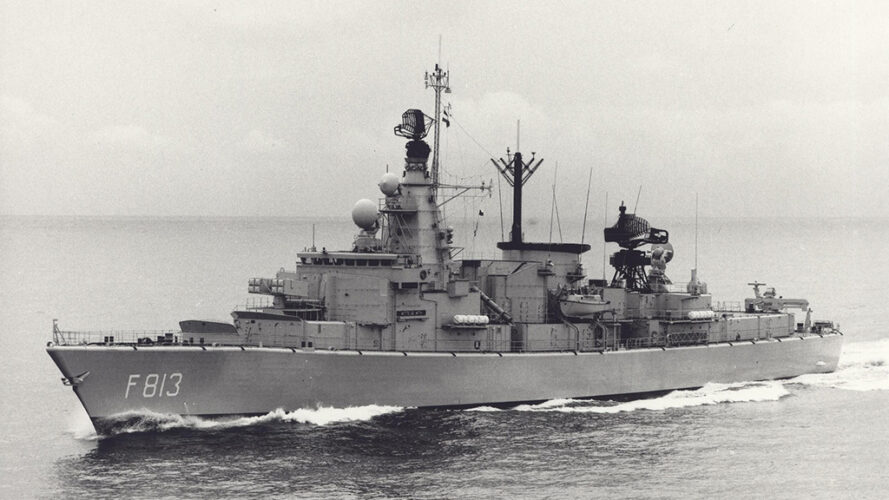
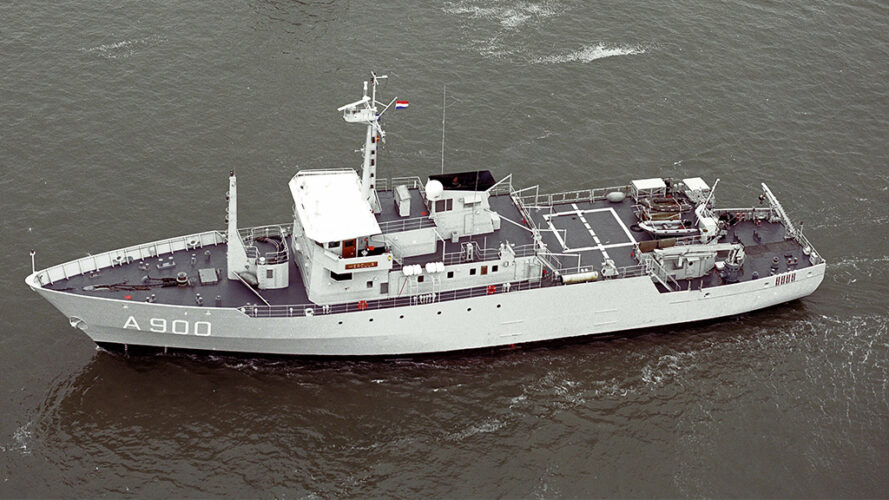
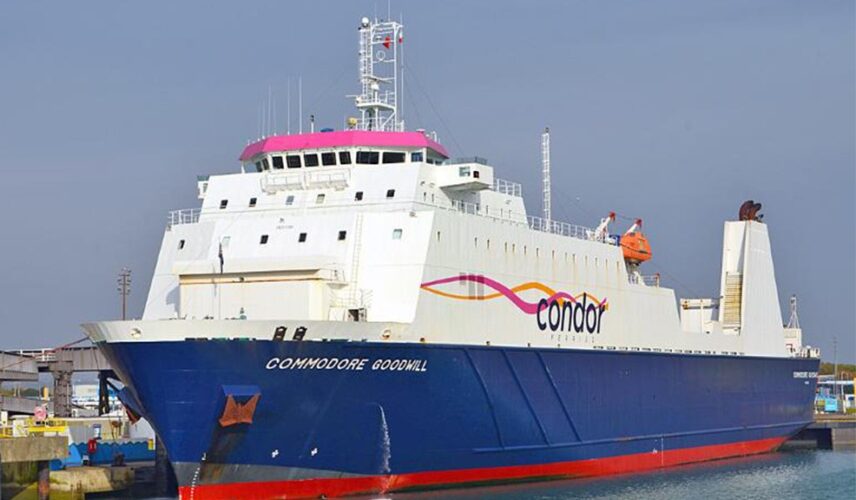
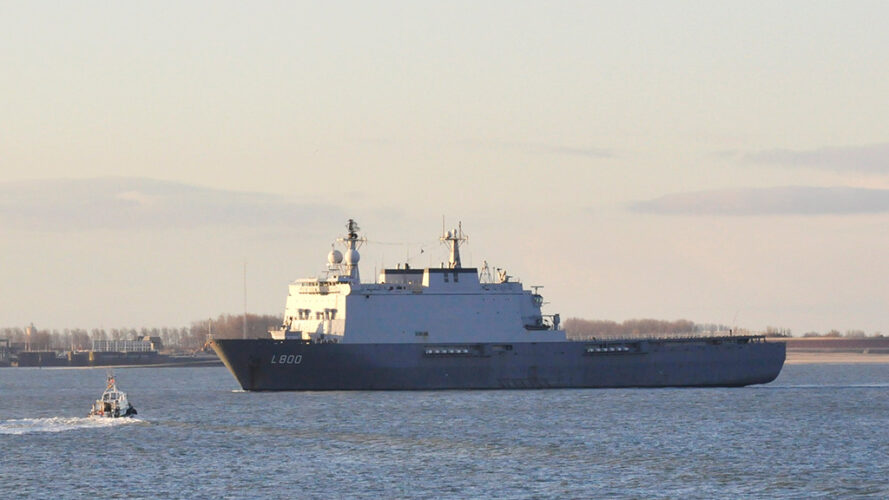
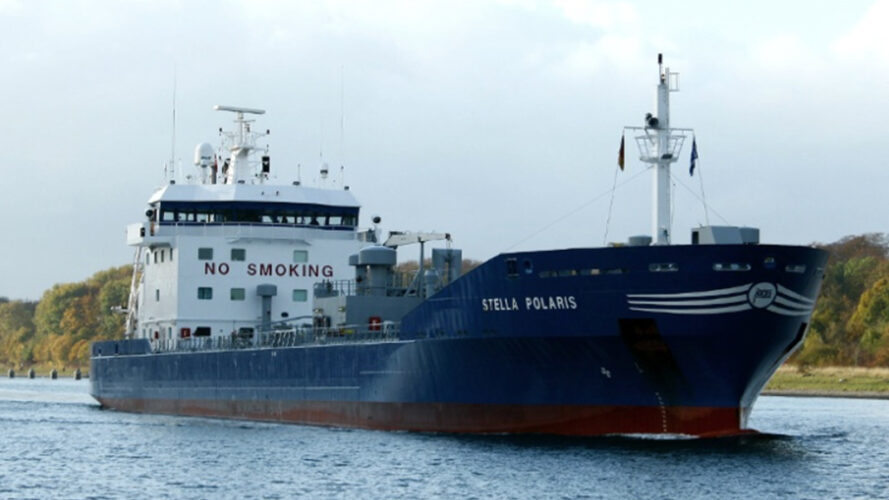
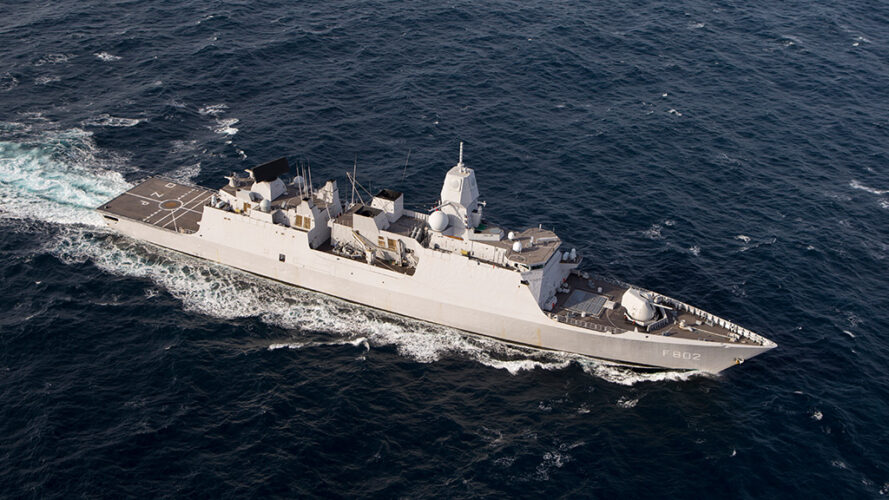
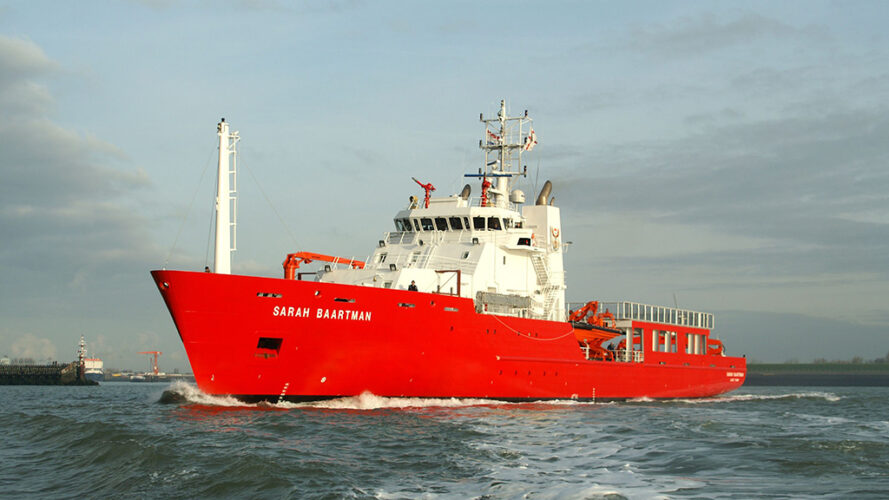
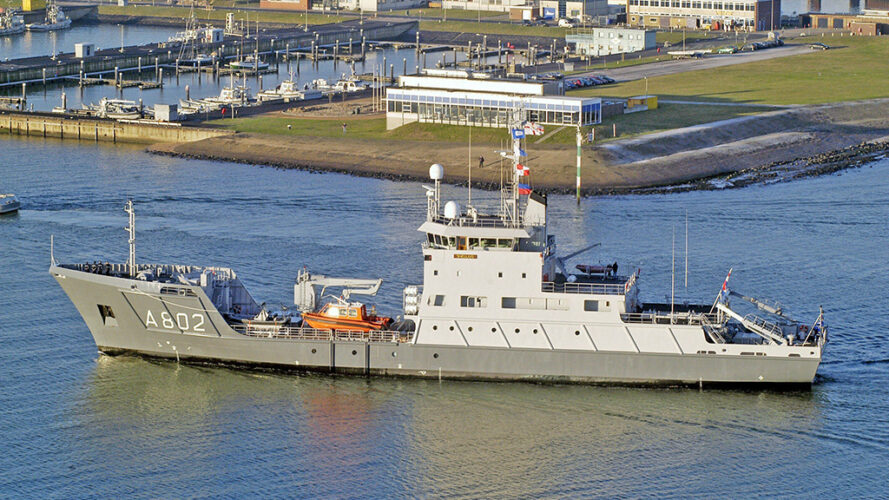
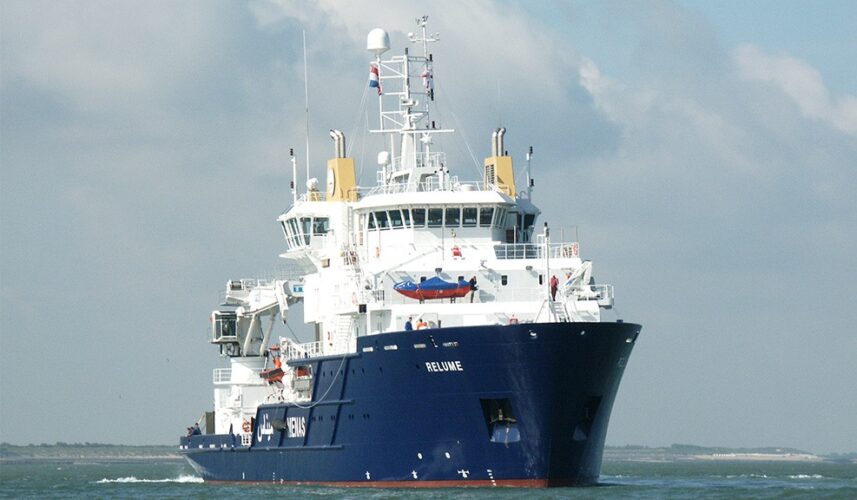
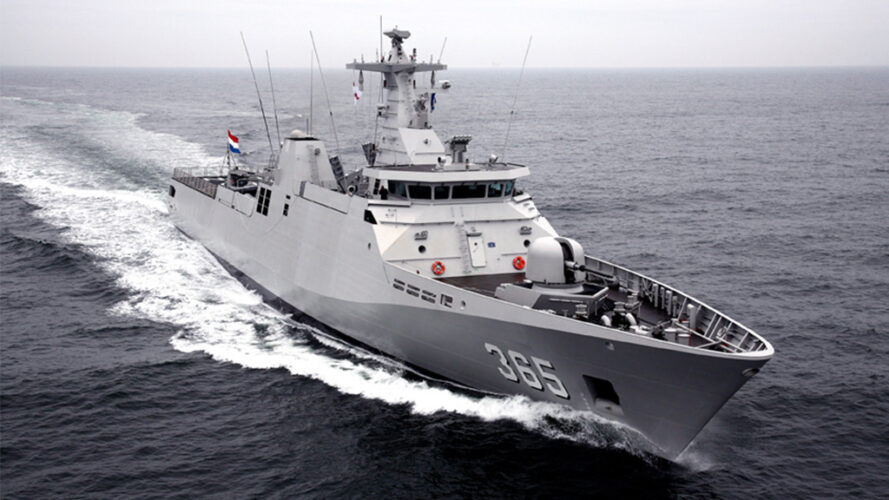
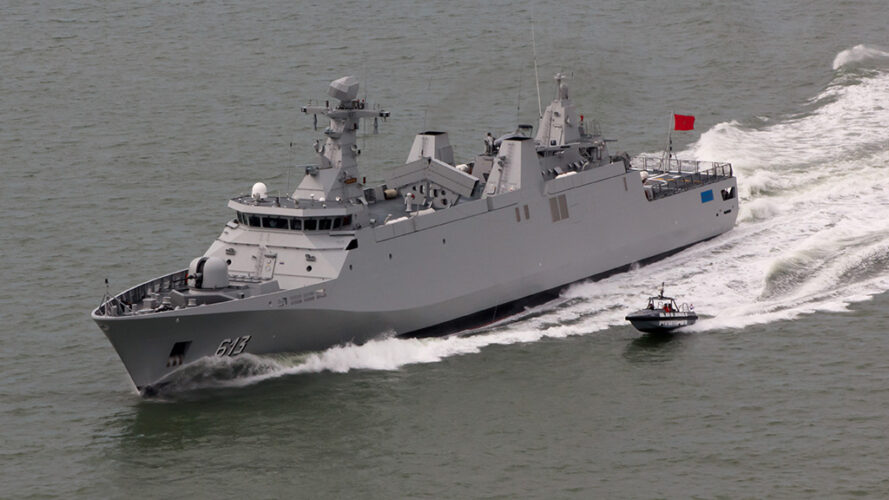
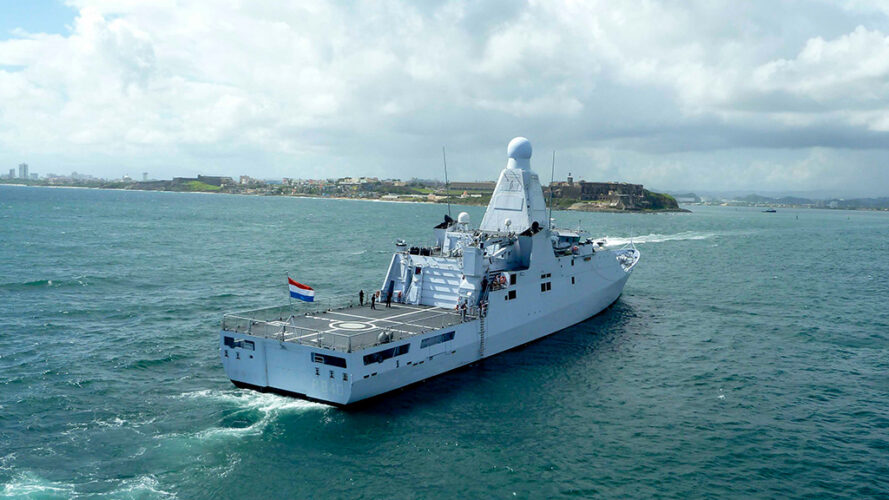
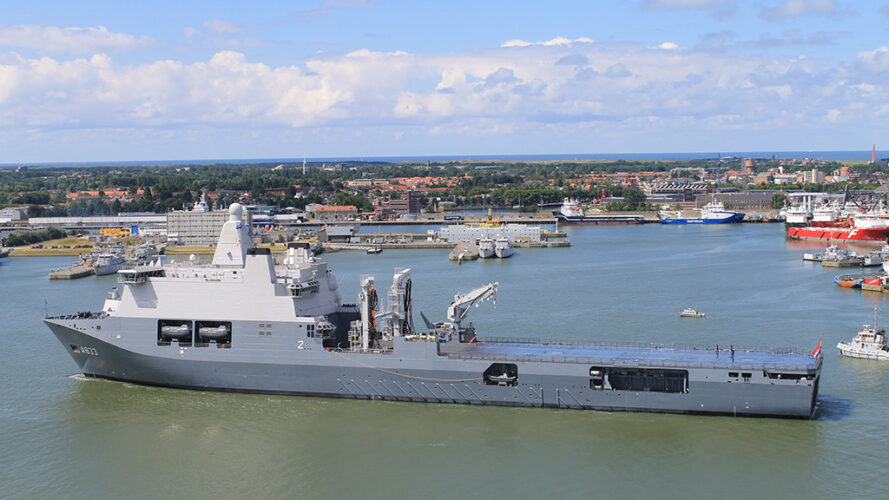
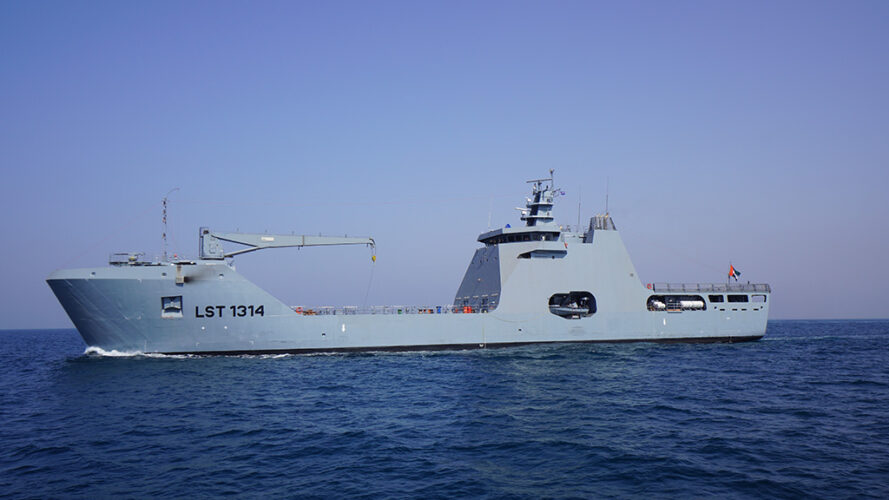
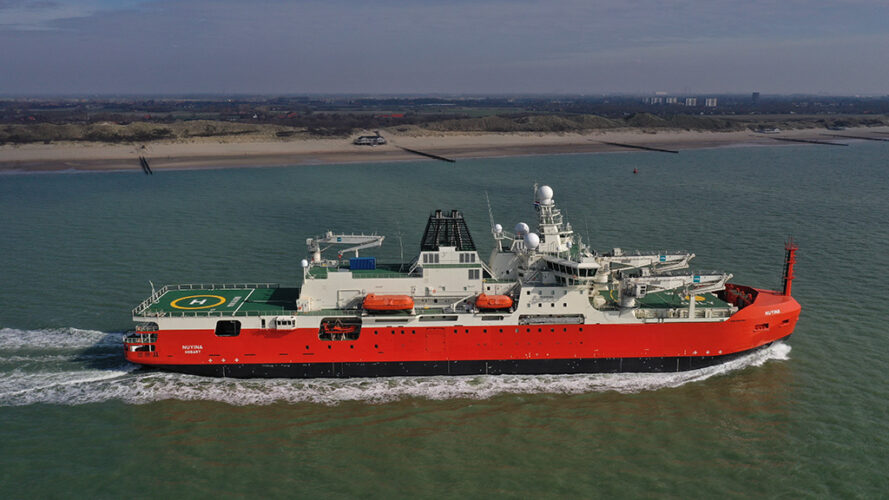
Besides all the ships he worked on, Hans also witnessed many changes within the company: reorganisations, the takeover by Damen Shipyards Group, and the introduction of new technologies and software systems such as Baan and SAP. Internal department structures changed as well. Work Preparation had traditionally been part of the Project Office, but this changed on 1 January 2024. The Project Office became the new Project Management Office, while Work Preparation continued as an independent department under Production: Manufacturing Engineering.
When he started as a Production worker at the company trade school in August 1978, he could never have imagined that he would eventually end up in an office as a Team Lead. He looks back on an impressive career with satisfaction. “Because Work Preparation is so closely connected to Production, I never missed my work as a structural metalworker for a single minute. I always had a lot of contact with the Production colleagues, and they always knew where to find me when they had questions. The work was enjoyable and varied: coordinating people, helping them, and solving problems.”
In addition to the planter of geraniums, his colleagues also made him a tear-off calendar so he could count down to his final working day. “I do find it exciting. I’m handing over my work properly, but it feels strange that I soon won’t have to go to the office anymore. Although I won’t miss the alarm clock going off at six in the morning. I also have plenty of projects at home to keep me busy: we want to install a new kitchen, I’m going to spend time tinkering with bicycles, mopeds, and motorcycles, and I have three grown children whom I’ll probably help a bit more with their homes.”